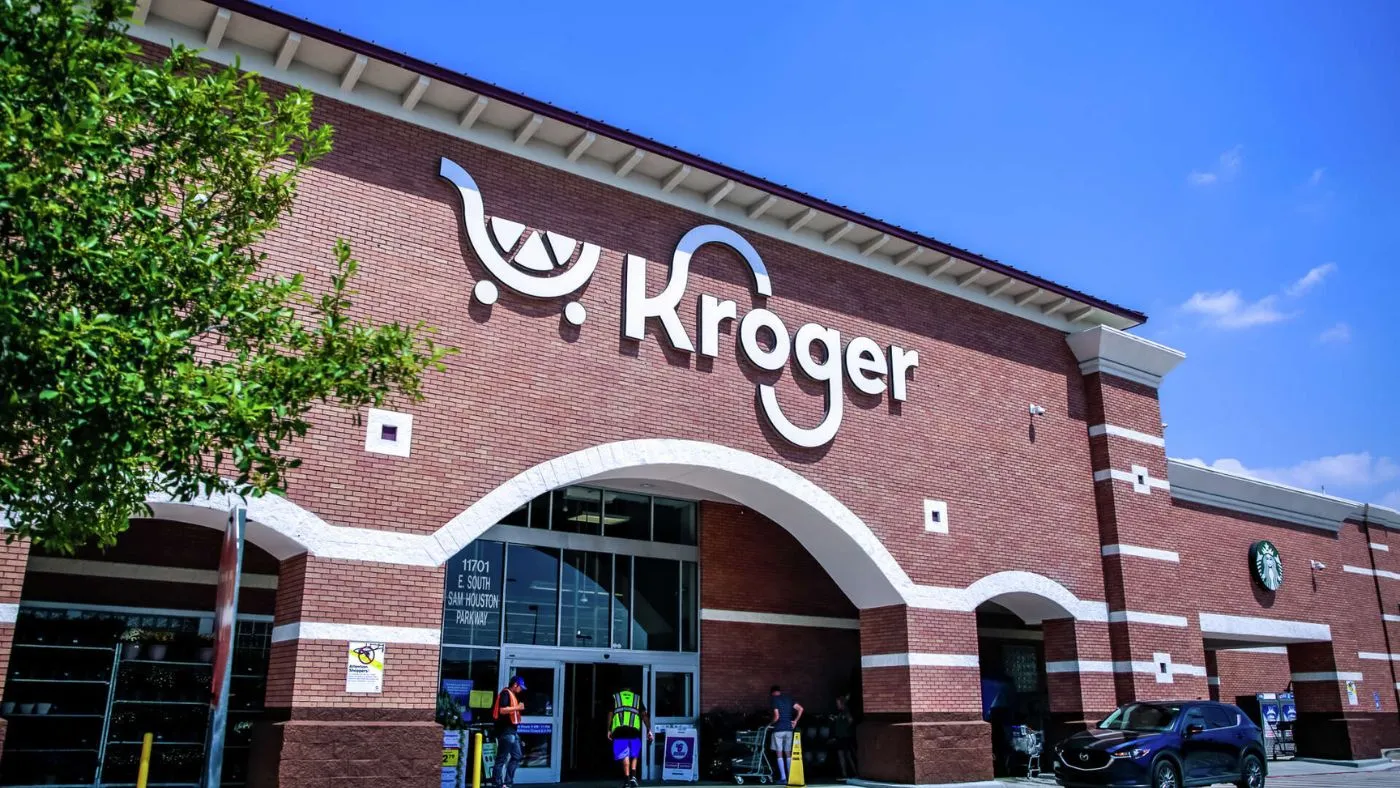
Kroger is closing two Houston-area stores next month, and while the move may look like a routine retail decision, it reflects something bigger happening inside the grocery industry.
The company confirmed it will shut down its Heights and Spring locations on April 10. Word of the closures first circulated in a local Facebook community before Kroger formally acknowledged the decision.
For shoppers, employees, and even investors, the announcement is more than a neighborhood headline. It offers a glimpse into how one of America’s largest supermarket chains is rethinking where and how it operates as costs climb and competition intensifies.
Part of a National Strategy
These closures are not isolated.
Last year, Kroger revealed plans to close roughly 60 stores nationwide over an 18 month period. At the time, executives did not identify specific locations. Houston is now seeing part of that broader plan unfold.
The region has already experienced several Kroger exits in recent years, including stores in Hedwig Village, Spring Branch, and near Veterans Memorial Drive.
At the same time, company leadership has spoken publicly about future expansion in Houston. That may sound contradictory, but in today’s retail environment, it is increasingly common.
Why Grocers Close Stores While Planning Growth
Closing stores does not necessarily signal retreat. In many cases, it signals recalibration.
Large grocery chains now lean heavily on performance data. They analyze profitability by location, online order demand, neighborhood growth patterns, and competitive pressure from Walmart, H-E-B, Aldi, and other discount operators.
Older or underperforming stores are often phased out so companies can redirect capital into:
- Higher traffic areas
- Modern store formats
- Expanded pickup and delivery hubs
- Technology upgrades
Kroger’s Texas division has indicated it intends to pursue aggressive growth in strong markets over the next three to five years. That suggests the Houston closures may be less about shrinking and more about repositioning.
From an investor perspective, store optimization is often viewed as margin protection rather than distress.
What It Means for Employees
Kroger says associates at the affected stores will have the opportunity to transfer to other nearby locations.
In a tight labor market, retaining experienced staff is critical. Transfers help the company preserve talent and avoid widespread layoffs.
Still, transitions can bring practical challenges, including longer commutes or schedule adjustments. For workers, the impact is personal, even if the broader strategy is corporate.
How Shoppers May Feel the Change
When a grocery store closes, the effects are immediate at the neighborhood level.
Customers near the Heights and Spring locations could see increased traffic at surrounding stores. That may mean longer checkout lines, tighter parking, or temporary inventory pressure as volume shifts.
Some shoppers may pivot to competitors such as Walmart, H-E-B, or Aldi. Others may lean more heavily on curbside pickup and delivery, areas where Kroger continues to invest heavily.
Reduced store density can also influence competitive pricing dynamics in specific pockets of a city, though major chains still compete aggressively across the Houston metro area.
A Broader Retail Reset
Kroger is not alone.
Across the country, retailers are trimming weaker locations while pouring resources into logistics, digital infrastructure, and data driven decision making.
The goal is straightforward: make each store more productive.
Physical grocery stores remain central to the business model. But companies are being more selective about where they operate and how those stores function.
What to Watch in Houston
The next phase of Kroger’s strategy will become clearer over time. Key indicators include:
- New store announcements or redevelopment plans
- Competitive expansion by H-E-B, Walmart, or discount chains
- Performance and traffic levels at nearby Kroger locations
Houston is one of the nation’s most competitive grocery markets. Strategic shifts here often signal broader industry trends.
The Bottom Line
The upcoming closures in Houston are not signs of collapse. They reflect a deliberate reshaping of Kroger’s footprint.
For employees, it means reassignment and adjustment.
For shoppers, it means new routines.
For investors, it signals a focus on efficiency and long term profitability.
In a grocery landscape defined by rising costs, digital disruption, and fierce competition, standing still is no longer an option. Kroger’s Houston move is one more example of how the industry is evolving in real time.